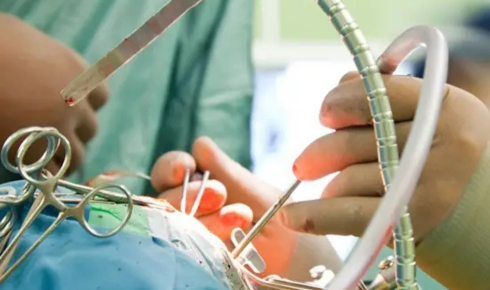
There was a time—not too long ago—when surgery felt like a last resort. Something people delayed, feared, and often misunderstood. Today, though, the landscape has shifted quietly but significantly. Hospitals feel less intimidating, recovery stories sound less daunting, and the idea of surgery itself has evolved into something far more precise, almost… refined.
Still, for most of us, the thought of going under the knife carries weight. Questions linger. What’s changed? Is it really safer now? And perhaps most importantly—what does modern surgery actually look like from a patient’s point of view?
Understanding Today’s Surgical Approach
The first thing to know is this: modern surgical services are no longer just about fixing a problem—they’re about doing it with minimal disruption to your life. Surgeons today don’t just aim for success in the operating room; they think about how quickly you’ll walk again, how small the scar will be, and how comfortable your recovery feels.
It’s a more patient-centric approach. That means shorter hospital stays, faster recovery timelines, and a stronger emphasis on safety protocols. You’ll notice this even before surgery begins—consultations feel more detailed, risks are explained more clearly, and you’re often given multiple treatment options rather than a single directive.
In a way, the process feels less mechanical and more… human.
The Rise of Precision Technology
One of the biggest changes in surgery comes from technology. Not flashy, sci-fi technology—but practical, refined tools that give surgeons better control than ever before.
Take robotic surgery, for example. It sounds futuristic, and yes, it is—but not in the way people imagine. Robots aren’t performing surgery on their own. Instead, they act as extensions of a surgeon’s hands, offering unmatched precision. Movements become steadier, more controlled, almost microscopic in their accuracy.
This level of precision matters more than you’d think. It reduces the risk of complications, limits damage to surrounding tissues, and often leads to quicker healing. Patients who undergo robotic-assisted procedures frequently report less pain and a faster return to normal life.
Of course, technology doesn’t replace expertise—it enhances it. A skilled surgeon paired with advanced tools creates a combination that’s hard to beat.
Less Invasive, More Effective
There’s another shift happening, one that patients tend to appreciate immediately: smaller incisions. Or in some cases, barely any visible ones at all.
Modern procedures often fall under the category of minimally invasive surgery. Instead of large cuts, surgeons use tiny entry points, guided by cameras and specialized instruments. It’s almost like keyhole work—delicate, precise, and far less traumatic for the body.
What does that mean for you? Well, fewer stitches, reduced blood loss, and shorter recovery periods. People who once needed weeks—or even months—to fully recover are now back on their feet much sooner.
And it’s not just about convenience. Reduced trauma means fewer complications, which is something every patient can appreciate.
What Patients Actually Experience
Here’s where things get real—not in the technical sense, but in the human one.
Ask someone who’s recently had surgery, and they’ll likely tell you that the experience felt… smoother than expected. Pre-surgery consultations are thorough. Medical teams tend to be more communicative. There’s a noticeable effort to keep patients informed, not just treated.
Recovery, too, has become more manageable. Pain management techniques have improved, post-operative care is more personalized, and follow-up appointments feel less rushed.
There’s still anxiety, of course. That part hasn’t disappeared. But it’s often balanced by a sense of reassurance—knowing that medicine has come a long way.
Choosing the Right Path
If there’s one takeaway from all of this, it’s that surgery today isn’t what it used to be. It’s more precise, more thoughtful, and in many cases, less disruptive.
That said, choosing the right hospital or surgeon still matters. Experience, transparency, and communication are just as important as the technology being used. Patients should feel comfortable asking questions—about procedures, recovery times, even alternatives.
Sometimes the best decision isn’t the most advanced option—it’s the one that fits your situation best.
A Quiet Evolution
What’s interesting is how quietly this transformation has happened. There hasn’t been a single breakthrough moment, no dramatic shift overnight. Instead, it’s been a steady progression—small improvements, better tools, deeper understanding.
And somehow, those small changes have added up to something significant.
Surgery is still serious. It still requires trust, preparation, and care. But it’s also become more approachable, less intimidating, and—dare we say—more patient-friendly.
And maybe that’s the real progress. Not just better outcomes, but better experiences.