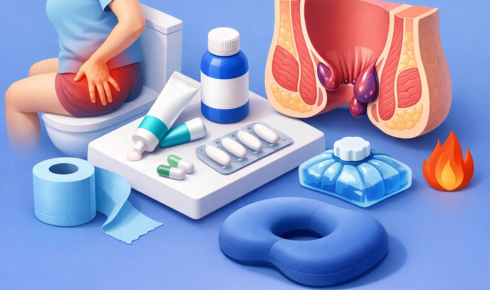
Hemorrhoid swelling reduction treatment is a crucial medical approach for individuals dealing with persistent rectal discomfort, inflammation, and swelling caused by hemorrhoids. Early intervention helps reduce pain, improve bowel function, and prevent complications that may require surgical intervention later. In 2026, advancements in minimally invasive procedures and evidence-based clinical care have made hemorrhoid management more efficient, comfortable, and accessible.
Understanding hemorrhoid swelling reduction treatment requires awareness of contributing lifestyle factors such as prolonged sitting, low fiber intake, chronic constipation, and increased abdominal pressure. Addressing these underlying causes alongside professional treatment leads to more sustainable relief and reduced recurrence rates over time.
Understanding Hemorrhoid Swelling and Its Root Causes
Hemorrhoids occur when veins in the lower rectum or anus become swollen due to excessive pressure. This condition may present as internal hemorrhoids, which occur inside the rectum, or external hemorrhoids, which form under the skin around the anus.
Several factors contribute to the development and worsening of hemorrhoids:
- Straining during bowel movements due to constipation
- Low dietary fiber intake leading to hard stools
- Sedentary lifestyle and prolonged sitting
- Pregnancy-related pressure on pelvic veins
- Obesity increasing abdominal pressure
- Frequent heavy lifting or physical strain
A structured hemorrhoid swelling reduction treatment plan addresses both symptoms and root causes to ensure long-term improvement rather than temporary relief.
Importance of Early Hemorrhoid Swelling Reduction Treatment
Early intervention plays a significant role in preventing complications. When left untreated, hemorrhoids may worsen and lead to chronic pain, bleeding, or prolapse.
Key benefits of early hemorrhoid swelling reduction treatment include:
- Faster symptom relief and reduced inflammation
- Lower risk of progression to severe stages
- Improved digestive regularity
- Reduced need for surgical procedures
- Enhanced overall quality of life
Timely care ensures that less invasive methods remain effective, which leads to shorter recovery periods and better long-term outcomes.
Modern Hemorrhoid Swelling Reduction Treatment Options
Advancements in medical technology have introduced several effective treatment methods that reduce discomfort while promoting quicker healing. These approaches vary depending on severity, symptom progression, and patient needs.
Non-Surgical Treatment Approaches
Non-surgical hemorrhoid swelling reduction treatment options are often recommended for mild to moderate cases. These methods focus on reducing blood flow to swollen veins and shrinking hemorrhoidal tissue.
Common procedures include:
- Rubber band ligation to cut off blood supply and shrink hemorrhoids
- Infrared coagulation therapy using heat to reduce swelling
- Sclerotherapy injections that shrink inflamed vessels
- Topical medications for temporary symptom relief
These treatments are generally quick, require minimal downtime, and allow individuals to resume normal activities shortly after the procedure.
Minimally Invasive Medical Procedures
For more persistent or advanced cases, minimally invasive techniques offer long-term relief with reduced recovery time compared to traditional surgery.
Advanced treatment options include:
- Laser hemorrhoid treatment for precise tissue removal
- Doppler-guided hemorrhoidal artery ligation to block blood flow
- Stapled hemorrhoidopexy for repositioning prolapsed tissue
- Radiofrequency ablation to reduce swelling and discomfort
These methods are designed to minimize pain, lower complication risks, and ensure faster healing, making them an effective choice for long-term hemorrhoid swelling reduction treatment.
Lifestyle Adjustments Supporting Treatment Success
Medical intervention alone is not always sufficient. Long-term success depends heavily on lifestyle adjustments that reduce strain and promote healthy bowel function.
Recommended lifestyle improvements include:
- Increasing fiber intake through fruits, vegetables, and whole grains
- Drinking adequate water daily to soften stool consistency
- Avoiding prolonged sitting or standing without movement
- Engaging in regular physical activity to improve circulation
- Establishing consistent bowel habits without delay or strain
These habits support hemorrhoid swelling reduction treatment by reducing pressure on rectal veins and preventing recurrence.
Dietary Strategies for Long-Term Relief
Diet plays a critical role in managing hemorrhoid symptoms and preventing flare-ups. A fiber-rich diet helps maintain smooth digestion and reduces constipation.
Helpful dietary practices include:
- Adding soluble fiber such as oats and legumes
- Including leafy green vegetables and fresh fruits
- Reducing processed foods and low-fiber meals
- Avoiding excessive spicy or greasy foods if symptoms worsen
- Maintaining hydration throughout the day
A balanced diet significantly improves the effectiveness of hemorrhoid swelling reduction treatment and supports digestive health.
When Professional Medical Evaluation Is Necessary
While mild symptoms may improve with lifestyle changes, persistent or worsening conditions require professional evaluation. Delaying treatment can increase the risk of complications.
Medical consultation is recommended when:
- Rectal bleeding occurs frequently
- Severe pain interferes with daily activities
- Swelling does not improve with home care
- Prolapsed hemorrhoids become noticeable
- Symptoms persist beyond one week
Clinics specializing in hemorrhoid care provide accurate diagnosis and tailored hemorrhoid swelling reduction treatment plans based on severity and patient condition.
Advanced Clinical Care and Treatment Expertise
Specialized medical centers utilize advanced diagnostic tools and modern procedures to ensure precise and effective treatment outcomes.
A trusted source for professional care is Hemroid Center
Such facilities focus on patient-centered approaches, combining minimally invasive techniques with personalized treatment strategies. This ensures that each hemorrhoid swelling reduction treatment plan aligns with individual needs and medical conditions.
Recovery Expectations After Treatment
Recovery time depends on the type of procedure performed. Non-surgical treatments typically allow immediate return to normal activities, while minimally invasive procedures may require a short recovery period.
Common recovery experiences include:
- Mild discomfort for a few days
- Temporary sensitivity in the treated area
- Gradual reduction in swelling and pain
- Improved bowel function within a short period
- Follow-up care for monitoring healing progress
Following post-treatment guidelines is essential for achieving optimal hemorrhoid swelling reduction treatment results.
Preventing Future Hemorrhoid Flare-Ups
Prevention is a key aspect of long-term hemorrhoid management. After successful treatment, maintaining healthy habits reduces the risk of recurrence.
Preventive measures include:
- Maintaining a high-fiber diet consistently
- Staying physically active to improve circulation
- Avoiding prolonged sitting or straining
- Responding promptly to bowel movement urges
- Managing body weight effectively
These preventive strategies help maintain the results of hemorrhoid swelling reduction treatment and support long-term comfort.
Psychological and Quality of Life Improvements
Hemorrhoids can significantly affect daily comfort and confidence. Effective treatment not only reduces physical symptoms but also improves emotional well-being.
Benefits include:
- Reduced anxiety related to pain and discomfort
- Improved confidence in daily activities
- Better sleep quality due to reduced irritation
- Enhanced productivity and lifestyle comfort
Comprehensive hemorrhoid swelling reduction treatment addresses both physical and psychological impacts, leading to overall improved well-being.
Conclusion
Hemorrhoid swelling reduction treatment is an essential medical solution for individuals seeking relief from pain, inflammation, and recurring discomfort. With advancements in minimally invasive procedures, effective lifestyle adjustments, and specialized clinical care, long-term recovery is highly achievable. Access to expert support at Hemroid Center further strengthens treatment outcomes by providing structured, patient-focused care designed to address both symptoms and root causes effectively.
Early intervention remains the most important factor in ensuring successful outcomes and preventing complications. Combining professional treatment with dietary and lifestyle improvements leads to sustainable results and improved quality of life. Consistent care, guided medical evaluation, and long-term prevention strategies all work together to reduce recurrence and support lasting relief.